The Rev. Dr. Martin Luther King, Jr: A Reflection from Bishop Ruth Woodliff-Stanley
A Reflection from Bishop Ruth in the Week of Dr. King’s Birthday
In recent weeks, I have been reminded of the spiritual necessity of slowing down.
I was given that gift on pilgrimage to the Holy Land, where the landscape itself resists haste. Walking where generations have walked, praying where centuries of prayers have risen, and tasting—even briefly—the weight of occupation, I was re-taught that reverence requires attention, and attention requires time.
Returning home to a world again convulsed by violence and threat, I found myself needing that same discipline. The killing of Renée Good. Occupation in our own land. The bombing of the synagogue in the city where I grew up. The willingness of those in power to speak openly of seizing what is not theirs—as if force alone could confer moral legitimacy. These are not disconnected events. They are revelations—signs of the story we are living inside.
Only by slowing down—listening deeply, reading carefully, attending prayerfully—can we discern the story beneath the headlines.
That work of discernment is what Jesus models in today’s Gospel. Standing in the synagogue, he reads from Isaiah:
“The Spirit of the Lord is upon me… to bring good news to the poor… to proclaim release to the captives… to let the oppressed go free.”
Then he sits down and says, “Today this scripture has been fulfilled in your hearing.”
Not someday.
Not after the empire loosens its grip.
Today.
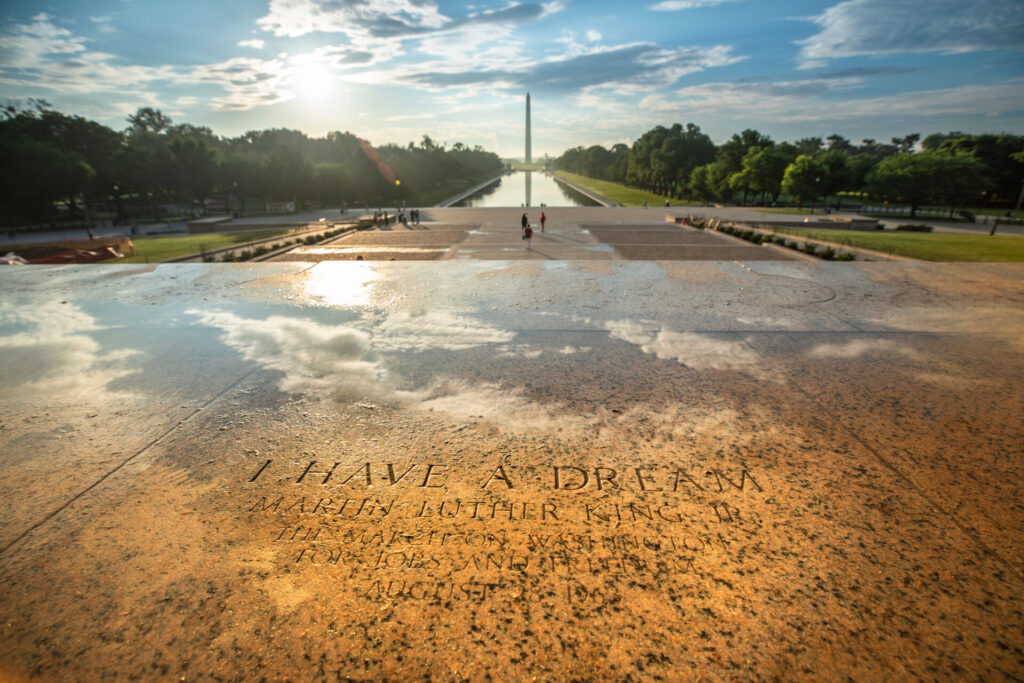
Dr. King understood that this declaration was not symbolic but demanding. “Injustice anywhere is a threat to justice everywhere.” Jesus says the same thing another way: what you do to the least of these, you do to me.
If this is true—and our baptism insists that it is—then we must name what is real. We are still living inside a powerful and destructive tale: a tale that teaches that some lives matter more than others; a tale that insists security is built through domination and exclusion; a tale that whispers, I can only be safe if you are diminished.
This tale is old. It has been sanctified by false theology, wrapped in patriotic language, and enforced by fear. It underlies racism, antisemitism, Islamophobia, nationalism, and political violence. It is the story beneath every act that treats human beings as expendable.
Unraveling that tale is holy work.
It is the work Dr. King named beloved community—not a sentimental ideal, but a demanding moral vision grounded in truth, repentance, and courageous love. Scripture is unequivocal: those who have borne the greatest weight of injustice carry wisdom the rest of us need. And yet, as theologian Valarie Kaur reminds us, revolutionary love also refuses to surrender anyone to the lie that transformation is impossible.
This is not softness.
It is strength shaped by the cross.
Here the Baptismal Covenant speaks with clarity and force: we promise to respect the dignity of every human being—without exception. That promise must be practiced, learned, and formed over time.
When we slow down long enough to see clearly, this truth is revealed: until dignity is protected everywhere, security exists nowhere. Until freedom is real for all, bondage persists for every people.
The Spirit of the Lord is upon us—today.
May we slow down enough to listen, and be brave enough to respond.